Understanding the Basics of Appliance Repair
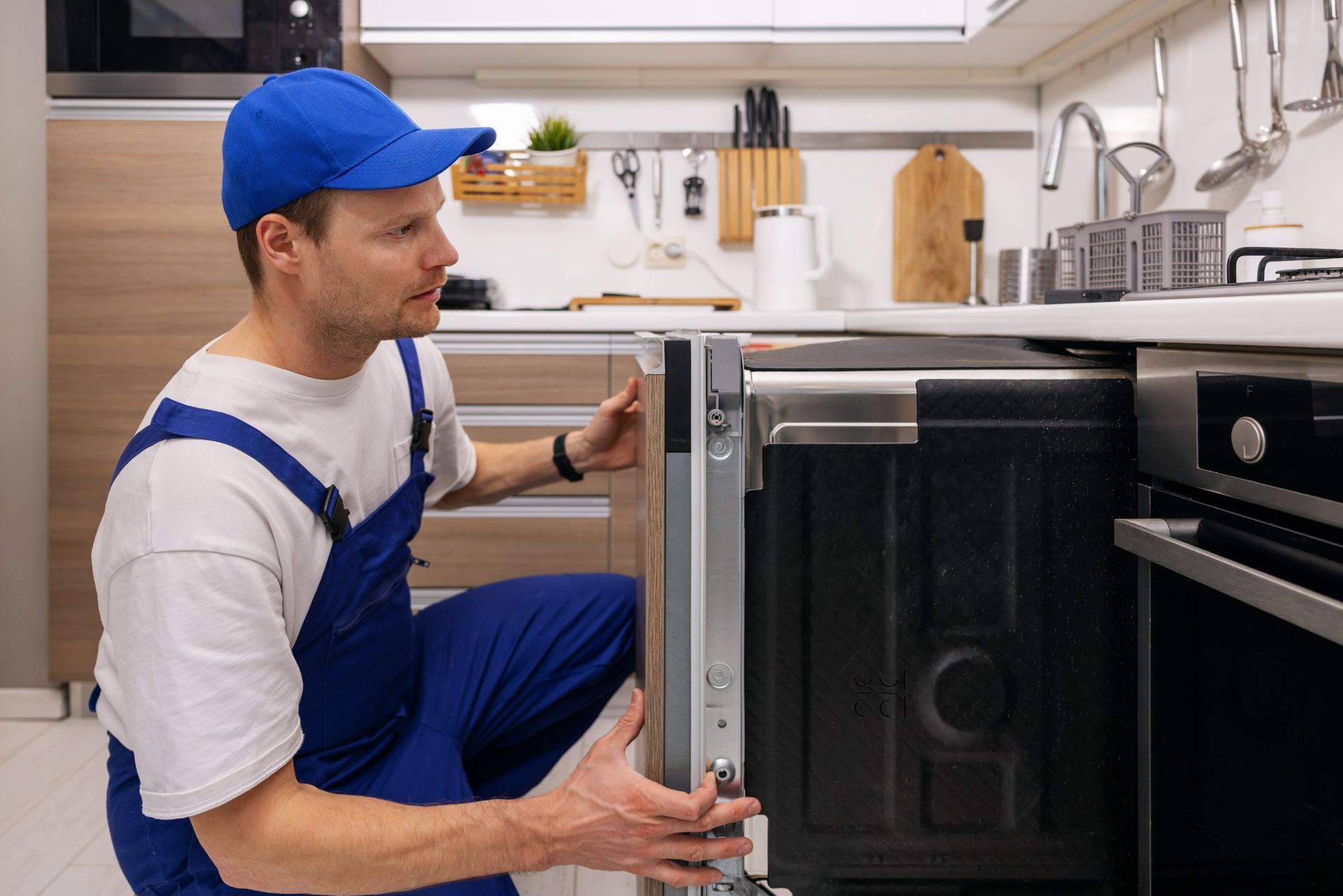
Welcome to the world of appliance repair! Whether you're a new homeowner in Gaithersburg, MD, or simply looking to become more self-sufficient, understanding the basics of appliance repair can save you both time and money. This beginner's guide will provide you with the essential knowledge to tackle minor repairs and recognize when it's time to call in the professionals at Rapid Appliance Repair.
Common Appliance Problems and Quick Fixes
Refrigerator Not Cooling
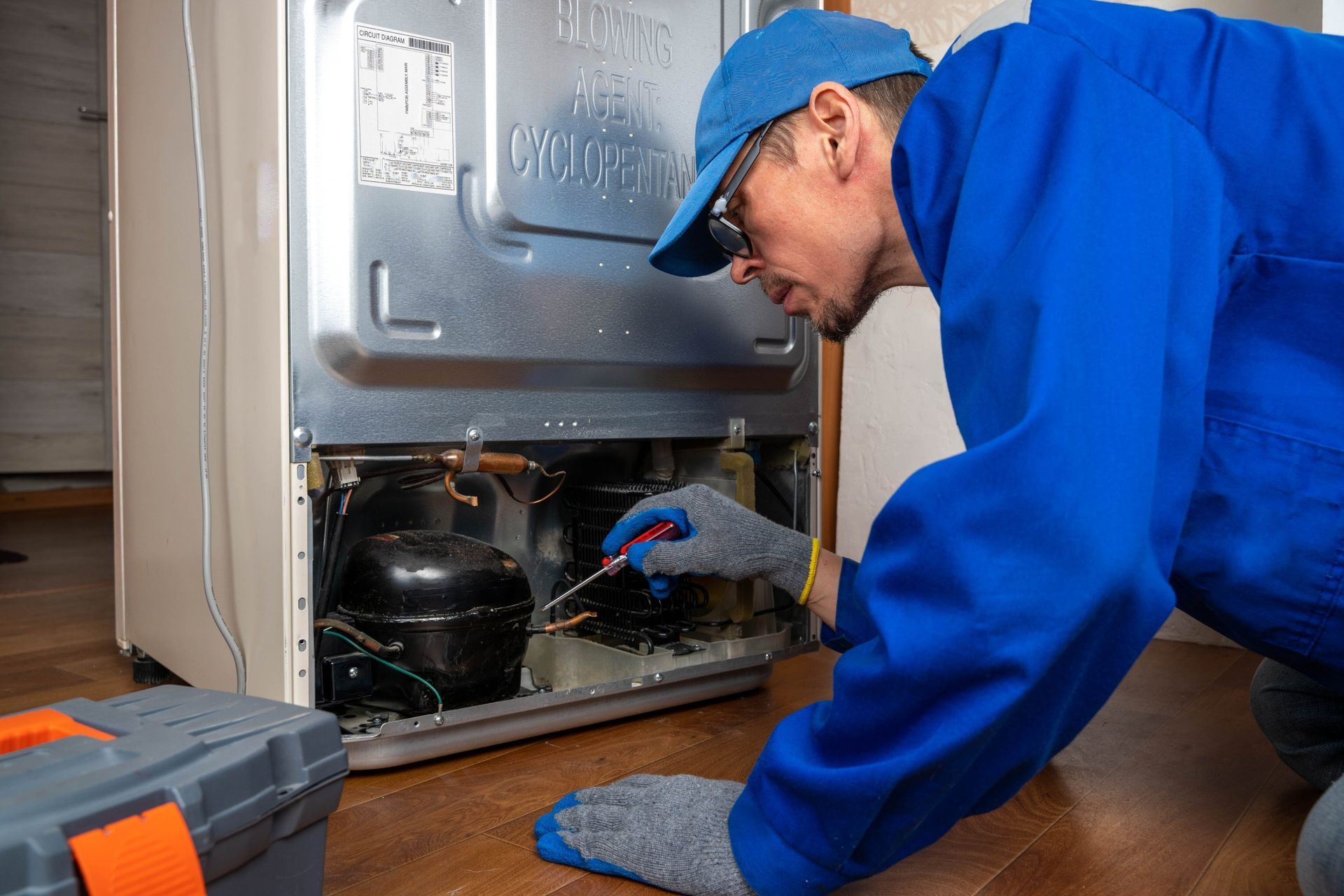
A common issue homeowners face is a refrigerator that isn't cooling properly. Before panicking, check if the thermostat is set correctly and ensure the vents aren't blocked by food items. Clean the condenser coils, located at the back or bottom of the unit, to improve airflow.
Washing Machine Won't Spin
If your washing machine isn't spinning, it could be due to an unbalanced load. Try redistributing the clothes evenly and restarting the cycle. If the problem persists, inspect the lid switch or belts for wear and tear, which might require replacement.
Oven Not Heating
For an oven that's not heating, first check the oven's temperature settings and make sure it’s not on a delayed start mode. If everything seems fine, the heating element might need replacement. This component can be found at the bottom of most ovens and is relatively straightforward to replace.
When to Call a Professional
While many minor issues can be resolved with a bit of DIY spirit, certain problems require professional expertise. If you encounter any of the following situations, it’s best to contact Rapid Appliance Repair:
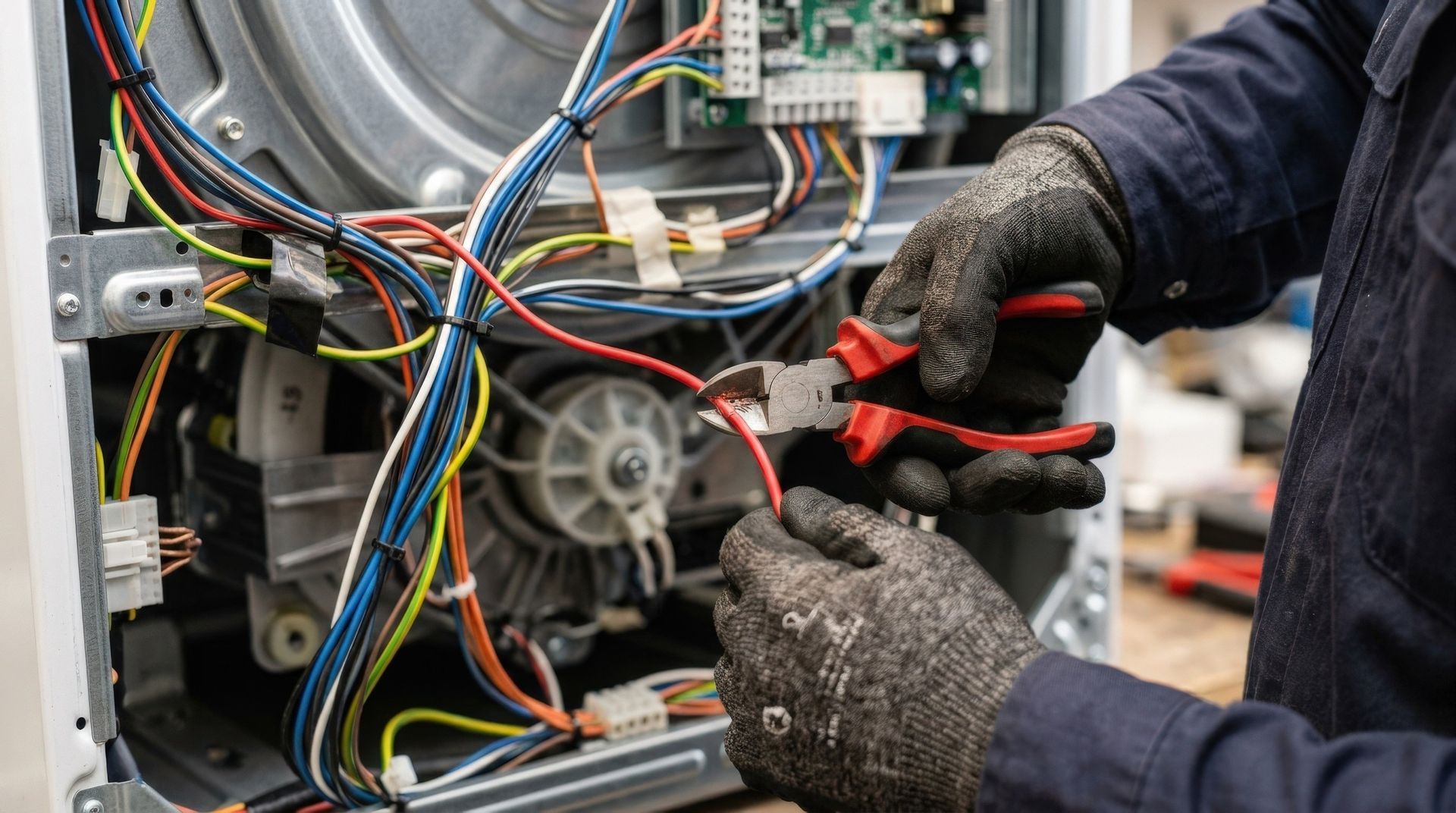
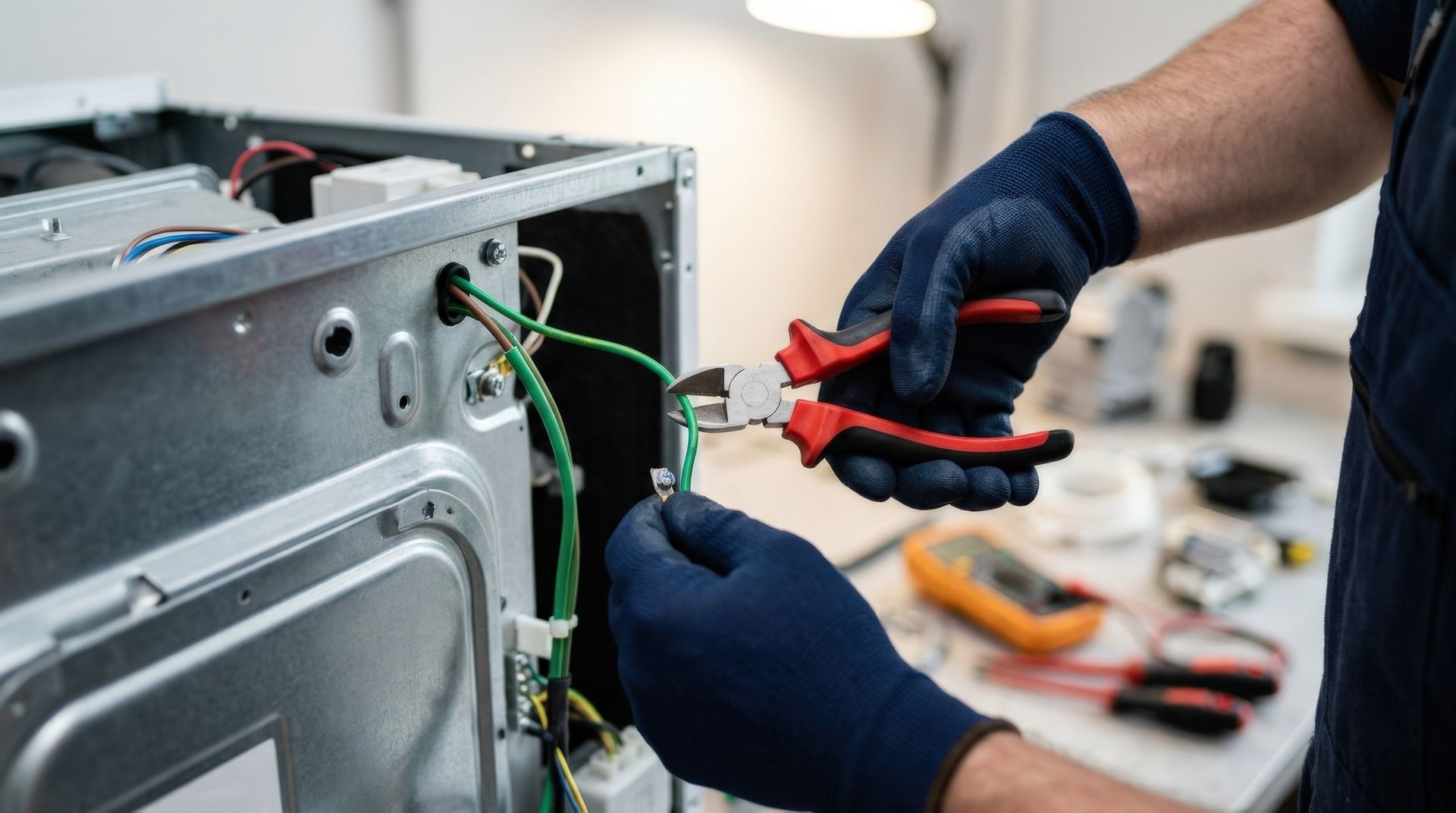
- Electrical Issues: Appliances that are sparking, tripping breakers, or appear to have faulty wiring should be handled by professionals to prevent safety hazards.
- Persistent Leaks: Water leaks from dishwashers or washing machines can cause significant damage if not addressed promptly. If simple solutions like tightening hoses don’t work, expert intervention is advised.
- Complex Mechanical Failures: Issues involving motors, compressors, or intricate components often require specialized tools and knowledge.
Tools Every Beginner Should Have
Equipping yourself with the right tools can make appliance repair more manageable. Here’s a list of essential tools every beginner should have:
- Screwdriver Set: A set of flathead and Phillips screwdrivers will cover most of your needs.
- Multimeter: Useful for checking electrical connections and ensuring circuits are functioning properly.
- Adjustable Wrench: Great for loosening or tightening nuts and bolts.
- Needle Nose Pliers: Perfect for gripping small parts or wires.
Safety Tips for DIY Appliance Repair
Safety should always be your top priority when attempting any repairs. Follow these tips to ensure a safe repair process:
- Unplug Appliances: Always disconnect the appliance from power before starting any repair work.
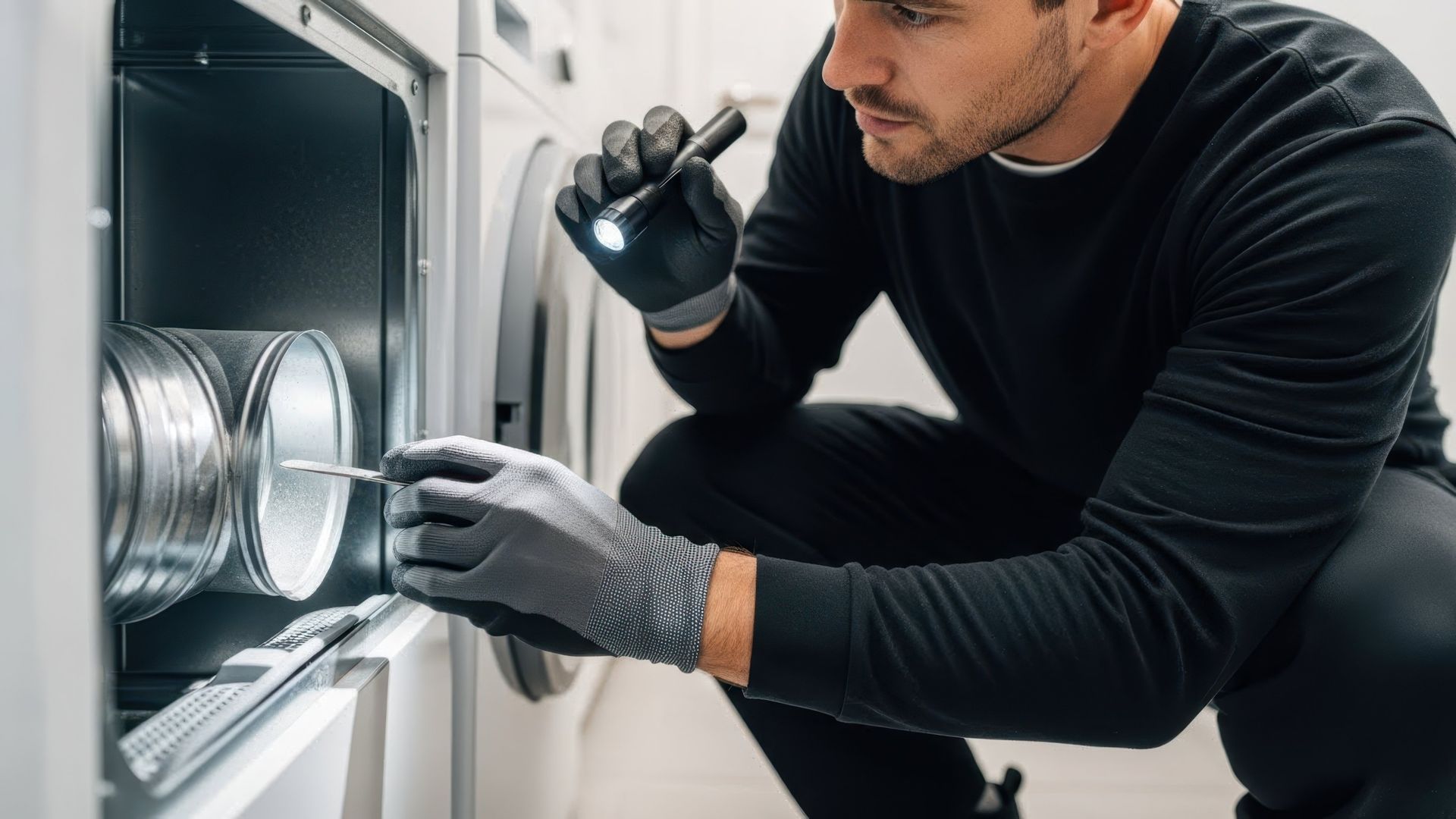
- Use Proper Lighting: Ensure your workspace is well-lit to avoid mistakes or injuries.
- Wear Protective Gear: Gloves and safety goggles can protect you from sharp edges and debris.
- Follow Instructions: Consult the appliance’s manual or online guides for specific repair steps and precautions.
Conclusion: Embrace Your Inner Handyman
Embarking on the journey of appliance repair can be both rewarding and practical. By understanding the basics, equipping yourself with the right tools, and knowing when to seek professional help, you can handle many of the common issues that arise in your household. For Gaithersburg residents, Rapid Appliance Repair is always here to assist when you need expert intervention. Remember, practice makes perfect, so don't hesitate to get your hands dirty and learn along the way!